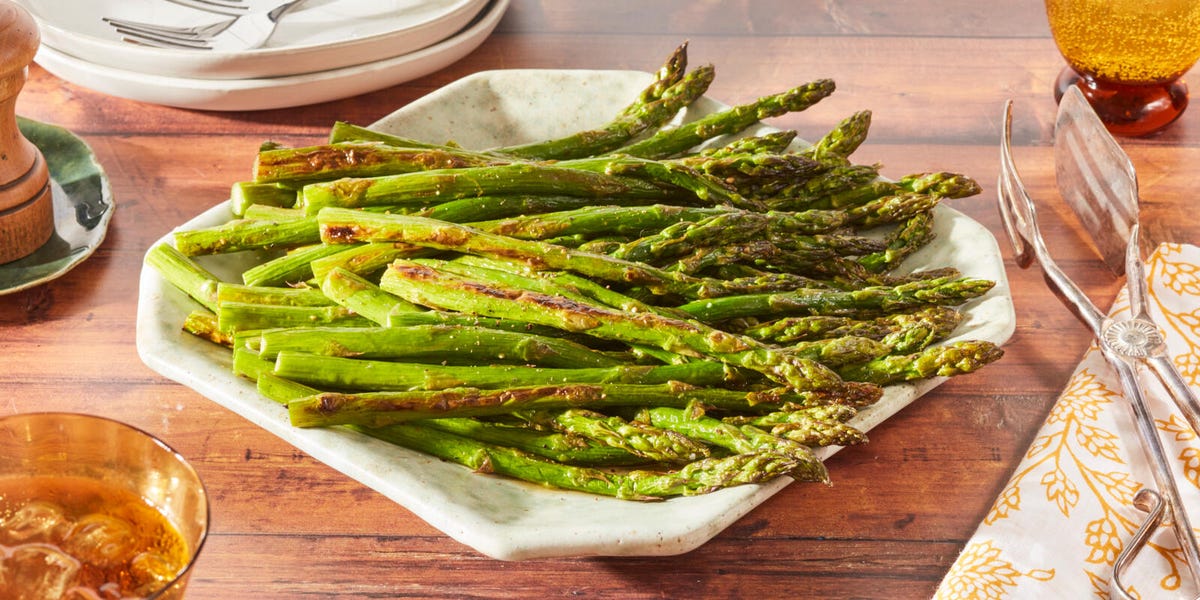
Asparagus. It’s a quintessential springtime vegetable, heralded for its fresh taste and vibrant green hue. Yet, for many, the experience of eating asparagus is often underwhelming, relegated to a bland, limp side dish that barely registers on the palate. The culprit? Often, it's the cooking method. While steaming might seem like a healthy and straightforward approach, it frequently falls short in delivering the asparagus's true flavor potential. If you're ready to transform this humble spear into a star on your plate, it's time to embrace the irresistible magic of roasted asparagus. Prepare to discover why oven roasting consistently beats steaming when it comes to flavor, texture, and overall culinary delight.
The Flavor Showdown: Roasting vs. Steaming
The fundamental difference between roasting and steaming lies in how heat interacts with the food, and this interaction directly dictates the final flavor profile of your asparagus. Steaming relies on moist heat, essentially bathing the vegetable in vapor. Roasting, on the other hand, employs high, dry heat, creating a completely different chemical reaction that unlocks a depth of flavor steaming simply can't achieve.
The Magic of Maillard and Caramelization
When you place asparagus in a hot oven, something truly extraordinary happens: caramelization. The natural sugars present in the asparagus begin to break down and transform under the intense dry heat, creating new, complex flavor compounds. This isn't just about sweetness; it's about developing nutty, rich, slightly bitter notes that add incredible dimension. Alongside caramelization, the Maillard reaction kicks in, responsible for the savory browning that develops on the exterior. This combination of reactions creates a delightful contrast: a crispy, slightly charred exterior giving way to a sweet, earthy, and tender interior. It's this complexity that makes roasted asparagus so utterly addictive, captivating even the most skeptical vegetable eaters.
The Pitfalls of Moist Heat: Why Steaming Falls Short
Steaming, while gentle, often leads to a one-dimensional, watery flavor profile. The moist environment prevents the essential browning and caramelization reactions from occurring. Instead, the asparagus absorbs water, which can dilute its natural flavor and leave it tasting bland. Furthermore, it’s notoriously easy to overcook asparagus when steaming, leading to a mushy texture that lacks any appealing bite. Even when cooked perfectly, steamed asparagus rarely achieves the nuanced, robust taste that high-heat roasting effortlessly provides. It barely has any flavor at all, a stark contrast to the utter delectability of its roasted counterpart.
Texture Transformation: From Limp to Lively
Flavor isn't the only casualty when choosing steaming over roasting; texture takes a significant hit too. The eating experience of any vegetable is heavily influenced by its mouthfeel, and this is where oven roasted asparagus truly shines.
The Satisfying Snap of Roasted Asparagus
Imagine biting into a perfectly cooked spear of asparagus: the tips are delicately frizzled and crispy, almost caramelized, while the stalk offers a tender-crisp resistance, a satisfying snap that indicates ideal doneness. This textural complexity is a hallmark of properly roasted asparagus. The high, dry heat ensures that moisture evaporates from the surface, concentrating the flavors and firming up the structure, preventing any hint of sogginess. The lightly browned exterior adds a delightful chewiness that complements the succulent interior.
Avoiding the Mushy Misstep
Conversely, steamed asparagus, particularly if even slightly overcooked, often succumbs to a sad, flaccid fate. The cellular structure breaks down too much in the moist heat, resulting in a limp, watery, and mushy texture that lacks any appeal. There's no crispy contrast, no satisfying bite, just a soft, uniform consistency that can be off-putting. The lack of structural integrity makes it far less enjoyable to eat and often necessitates a dousing in butter or sauce to compensate for its blandness and poor texture.
Unleashing Asparagus's Full Potential: Tips for the Perfect Roast
Achieving perfectly roasted asparagus is surprisingly simple, requiring just a few basic ingredients and a hot oven. It’s a technique that promises restaurant-quality results with minimal effort, making it an ideal side dish for weeknight dinners or a last-minute addition to holiday meals.
Choosing and Preparing Your Spears
The foundation of any great dish starts with quality ingredients. Look for bright green, firm asparagus spears with tightly closed tips. Avoid any that look withered or feel soft. Before cooking, proper trimming is essential to remove the tough, woody ends that can spoil the eating experience. You can do this in one of two ways:
- The Knife Method: Lay the spears flat on a cutting board. Locate the point where the stalk transitions from thick and woody to tender and juicy (usually about 1-3 inches from the bottom) and slice straight across.
- The Snap Method: Hold an individual spear by both ends and gently bend it. It will naturally snap at the point where the fibrous, inedible part ends. While effective, this can be time-consuming for a large batch.
For more detailed guidance on achieving consistent results, you might find this guide helpful: How to Make Perfect Oven Roasted Asparagus Every Time.
The Art of Seasoning and High-Heat Roasting
Once trimmed, your asparagus is ready for seasoning. Simplicity is key here. A drizzle of good quality extra virgin olive oil, a sprinkle of sea salt, and freshly ground black pepper are often all you need to let the asparagus's natural flavors shine. Toss the spears directly on a large rimmed baking sheet (parchment paper is excellent for easy cleanup) ensuring they are in a single layer. Overcrowding the pan will lead to steaming instead of roasting, so use two sheets if necessary. The magic temperature is typically 400-425°F (200-220°C). At this high heat, the asparagus will roast quickly, usually in about 10-15 minutes, depending on the thickness of the spears. You're looking for vibrant green color, tender-crisp texture, and those beautiful frizzled, lightly browned tips.
Creative Flavor Boosts and Serving Suggestions
While delicious on its own, roasted asparagus is incredibly versatile and welcomes further enhancement. Here are some ideas:
- Aromatic Additions: Toss with minced garlic or red pepper flakes before roasting for an extra kick.
- Citrus Brightness: A squeeze of fresh lemon juice or a drizzle of balsamic glaze after roasting adds a wonderful tang and brightness.
- Herbal Freshness: A sprinkle of fresh herbs like chopped parsley, basil, or chives once it's out of the oven elevates the aroma and taste.
- Cheesy Indulgence: Grated Parmesan cheese tossed with the spears before or after roasting adds a savory, umami punch.
- Nutty Crunch: A handful of toasted slivered almonds or pine nuts can add a lovely textural contrast.
This quick and easy preparation makes it a fantastic option for any meal. In fact, it's so simple you can have it ready in minutes: Easy 15-Minute Roasted Asparagus: Your Spring Side Dish.
Why Roasted Asparagus is Your New Go-To Side
Asparagus season, typically from April to June in many regions, is a precious window of opportunity to enjoy this nutrient-rich vegetable at its peak. Why waste that opportunity on bland, steamed iterations when you can effortlessly create a dish that bursts with flavor and delightful texture? Roasted asparagus pairs beautifully with almost any main course, from grilled steaks and roasted chicken to delicate fish and pasta dishes. Its inherent versatility means it can adapt to various cuisines and preferences, always adding a touch of elegance and fresh flavor to your plate. Beyond its incredible taste, asparagus is also packed with vitamins K, A, C, and folate, making it a healthy choice you can feel good about enjoying often.
In conclusion, the choice between steamed and roasted asparagus is clear when flavor and texture are paramount. Oven roasting transforms this humble green spear into an extraordinary side dish, utilizing high, dry heat to caramelize natural sugars and create a satisfying contrast of crispy tips and tender, earthy stalks. Steaming, while quick, simply cannot compete with the depth, complexity, and sheer deliciousness that roasting imparts. So, next time you bring home a fresh bunch of asparagus, skip the steamer and fire up your oven. You'll not only discover a superior way to cook this fantastic vegetable but also unlock a new favorite side dish that will have everyone asking for more.
